A change in skin texture can be more noticeable than a fine line. Makeup may settle into acne scars, pores can appear more prominent in certain light, and uneven tone may make skin look less rested than it feels. Hybrid CO2 laser resurfacing is designed for these layered concerns, combining two forms of laser energy in a single, customized treatment approach.
At Natural Beauty Clinic, we view laser resurfacing as a clinical decision, not a one-size-fits-all facial. The right protocol depends on your skin tone, history of pigmentation, degree of sun damage or scarring, lifestyle, tolerance for downtime, and the outcome you hope to achieve. For many patients, the goal is not a dramatic change. It is smoother, clearer, more radiant-looking skin that still looks like them.
What Is Hybrid CO2 Laser Resurfacing?
Hybrid CO2 laser resurfacing is a fractional laser treatment that combines ablative and non-ablative laser energy. Ablative CO2 energy creates precise microscopic treatment channels in the skin, removing small columns of damaged tissue and initiating a wound-healing response. Non-ablative energy heats tissue beneath the surface without removing it in the same way, supporting collagen remodeling with a different recovery profile.
“Fractional” is an important part of the approach. Rather than treating the entire skin surface uniformly, the laser treats a controlled fraction of it while leaving surrounding tissue intact. This can support healing while allowing the provider to adjust treatment intensity for specific areas, such as deeper acne scars on the cheeks or fine lines around the mouth.
The hybrid approach is intended to bring together the surface-renewing benefits of CO2 resurfacing and the dermal heating associated with non-ablative treatment. The balance between these components can be adjusted, which is why an in-person assessment matters. A protocol appropriate for etched lines and significant textural change may not be appropriate for a patient seeking a lighter refresh with less downtime.
What Can Hybrid CO2 Laser Resurfacing Help Improve?
Laser resurfacing may help improve several concerns at once because skin texture, pigment irregularities, and visible signs of collagen loss often occur together. Patients may consider a hybrid approach for rough texture, enlarged-looking pores, fine lines, sun-related changes, acne scarring, select surgical scars, and uneven skin tone.
It can also be a thoughtful option for skin that has gradually lost luminosity and smoothness. Collagen and elastin naturally decline over time, while cumulative sun exposure, inflammation, acne, and environmental stressors can affect how evenly the skin reflects light. Resurfacing does not stop aging, but it may support a more refined skin surface and gradual improvement in firmness.
Results vary based on the concern being treated. Deep, tethered acne scars, for example, may require a broader plan that includes treatments such as subcision, regenerative therapies, microneedling, or other modalities when clinically appropriate. Melasma and certain pigment conditions require particular caution because heat and inflammation can trigger recurrence or darkening in susceptible skin. In these cases, treatment selection and skin preparation are especially important.
Why the Hybrid Approach May Be Different
Traditional fully ablative CO2 resurfacing can produce substantial surface renewal, but it typically involves more intensive recovery. Non-ablative treatments generally involve less visible downtime, though they may offer more gradual or modest surface-level change. Hybrid technology is not simply “the best of both” for every person. Its value lies in the ability to tailor the relative amount of ablative and non-ablative energy to a patient’s skin needs and recovery preferences.
This flexibility can be useful when different areas of the face need different levels of correction. The skin around the eyes, the upper lip, cheeks, jawline, neck, and chest do not all respond the same way or carry the same risks. An experienced provider can adjust the treatment plan accordingly rather than applying one setting across every area.
The technology is only one part of the outcome. Proper assessment, conservative energy selection when needed, thoughtful aftercare, and a realistic understanding of healing all influence the final result. For patients focused on natural-looking rejuvenation, gradual collagen remodeling is often as meaningful as the immediate smoothing seen after the initial recovery period.
What Happens During a Treatment?
Your appointment begins with a discussion of your concerns, medical history, skincare routine, prior procedures, tendency toward cold sores, pigment history, and any medications or supplements that may affect healing. We also assess whether active acne, infection, irritation, recent sun exposure, or other factors suggest that treatment should be postponed.
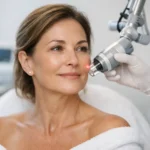
A topical anesthetic is commonly used before treatment, and comfort measures are selected based on the area and intensity of the procedure. The laser is then passed over the treatment area using a protocol tailored to your skin and goals. Some patients describe warmth, pressure, or a prickling sensation during treatment. The duration varies according to the areas being addressed.
Afterward, skin may feel warm and appear pink or red, similar to a significant sunburn. More intensive settings can produce swelling, bronzing, pinpoint bleeding, crusting, or a period of visible peeling. These effects are expected parts of the healing process, but the degree and duration vary considerably.
Recovery: Plan for Healing, Not Just Downtime
Recovery from hybrid CO2 laser resurfacing is not identical for every protocol. A lighter treatment may involve several days of redness and dryness, while a more ablative approach may require a longer period of social downtime and more structured wound care. We help patients plan around work, travel, events, exercise, and sun exposure so recovery feels manageable rather than rushed.
During healing, gentle cleansing, prescribed or recommended post-procedure products, hydration, and strict sun protection are central. Patients should avoid picking, scrubbing, exfoliating acids, retinoids, and heat exposure until advised that the skin barrier has recovered. Sun protection is particularly important because newly treated skin is more vulnerable to pigment changes.
Redness can persist after peeling has resolved, especially with stronger treatments. Collagen remodeling continues well beyond the visible recovery stage, which means improvements in texture and firmness may develop gradually over weeks to months. Some patients benefit from a series of treatments, while others may be better suited to one more intensive session. The appropriate schedule is individualized.
Who Needs Extra Caution?
Not every patient is a candidate for a hybrid CO2 treatment. A consultation is essential for patients with a history of post-inflammatory hyperpigmentation, melasma, keloid or hypertrophic scarring, recurrent cold sores, immune suppression, active skin infections, or recent use of medications that may affect wound healing. Skin tone and pigment behavior deserve careful consideration, particularly with more aggressive ablative settings.
Pregnancy, breastfeeding, active inflammatory skin conditions, recent tanning, and certain medical circumstances may also affect treatment timing. This is not a treatment to schedule immediately before a beach vacation or major event. Allowing enough time for assessment, preparation, healing, and follow-up supports both safety and a more comfortable experience.
Supporting Skin From the Inside and Out
Laser energy can stimulate a controlled repair response, but skin recovery is influenced by more than the procedure itself. Sleep quality, protein intake, hydration, smoking status, sun habits, stress, hormone changes, inflammation, and nutritional status can all affect skin quality and healing capacity.
Our integrative approach considers these broader factors when relevant. For some patients, optimizing an at-home skincare routine and addressing internal wellness concerns can complement in-office treatment. This does not replace appropriate laser planning, but it recognizes that healthy skin is a living organ shaped by both external care and internal physiology.
Choosing the Right Level of Resurfacing
The most effective treatment is not necessarily the strongest one. A patient with mild texture concerns and limited downtime may prefer a conservative hybrid protocol or a sequence of lower-intensity treatments. Someone with established acne scarring or more pronounced photodamage may be willing to plan for a more substantial recovery in pursuit of greater visible change.
For patients traveling from White Rock, South Surrey, Vancouver, the Fraser Valley, or nearby Washington communities, it can be helpful to arrange treatment when follow-up care and a quiet recovery period are realistic. We discuss timing, aftercare, and expected healing before treatment so that the plan fits your life as well as your skin.
Radiant skin is rarely about erasing every line or pursuing a filter-like finish. It is about making informed choices that respect your skin’s biology, your features, and your long-term goals. A personalized consultation can clarify whether hybrid CO2 laser resurfacing is an appropriate next step and what a well-planned recovery could look like for you.