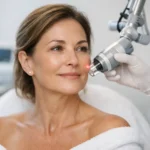
Hair removal can take up more time and attention than most people realize. Shaving, waxing, tweezing, and managing ingrown hairs may become part of a routine for the legs, underarms, bikini area, face, chest, or back. Diolaze XL laser hair removal offers a medical-aesthetic approach designed to reduce unwanted hair over a planned series of treatments, with settings selected for the individual rather than a one-size-fits-all experience.
For many patients, the appeal is not simply smoother skin. It is the prospect of simplifying a routine while treating the skin with thoughtful, clinically guided care. The right approach begins with an honest assessment of hair color, skin tone, treatment area, medical history, and expectations.
What Is Diolaze XL Laser Hair Removal?
Diolaze XL is a diode laser system used for laser hair reduction. It directs laser energy toward melanin, the pigment found in hair. When the energy is absorbed by an appropriate hair target, it heats the follicle in an effort to reduce its ability to produce new hair over time.
The technology is designed to treat larger areas efficiently while incorporating cooling at the skin’s surface. Cooling can improve comfort during treatment and helps protect the outer layers of the skin, but it does not make treatment sensation-free. Patients commonly describe a quick warming sensation or a brief snap against the skin, with the feeling varying by body area, hair density, and individual sensitivity.
Laser hair removal is best understood as hair reduction rather than a promise of permanent hair elimination. Some follicles may respond more noticeably than others, and hormonal changes, genetics, medications, and the body area being treated can influence long-term maintenance needs.
Why Hair Growth Cycles Matter
Hair does not grow at the same pace across every follicle. Laser energy is generally most effective when hair is in an active growth phase, known as anagen, because there is a stronger connection between the visible hair and the follicle below the skin.
At any one appointment, only a portion of hair in a treatment area is likely to be in that ideal phase. This is why a series of sessions is usually recommended. Treatments are spaced apart to align with the growth pattern of the area. Facial areas may be reassessed on a different schedule than legs, for example, and treatment intervals can be adjusted as the response becomes clearer.
A consultation should include a realistic discussion of this process. Hair may appear to continue growing after an appointment before shedding occurs, and changes are usually gradual across the treatment series. Early results are not always a reliable predictor of the final outcome.
What Results May Look Like
Patients often notice that hair becomes less dense, finer, or slower to return as sessions progress. Areas prone to razor irritation may also feel easier to manage once there is less frequent hair removal, although laser treatment is not a treatment for every cause of skin irritation or ingrown hairs.
Results vary. Coarse, dark hair generally provides a clearer target for diode laser technology than blonde, red, gray, or very fine hair, which may contain too little pigment for a consistent response. A qualified provider can explain whether a test area or an alternate approach is more appropriate for your hair characteristics.
Who May Be a Candidate?
Diolaze XL laser hair removal may be considered by adults seeking a reduction in unwanted hair on areas such as the underarms, legs, bikini line, upper lip, chin, chest, abdomen, back, or arms. Suitability depends on more than the desired area.
Skin tone and hair color are central to planning because both influence how laser energy is absorbed. A provider must carefully choose settings that aim to target the hair while respecting the surrounding skin. People with deeper skin tones can be candidates for laser hair reduction, but they require a careful assessment and conservative, individualized treatment parameters to help minimize the risk of unwanted pigment changes or irritation.
A clinical consultation is also the appropriate time to discuss recent sun exposure or tanning, current skin conditions in the treatment area, a history of pigmentation changes or scarring, active infection, and medications or topical products that may increase photosensitivity. Pregnancy status and other relevant health considerations should also be discussed with the treating clinician. In some cases, delaying treatment or selecting a different plan may be the safest choice.
For facial hair in particular, we consider the broader picture. Hormonal shifts can affect hair growth patterns, especially along the chin, jawline, or upper lip. When appropriate, an integrative medical perspective can help ensure that aesthetic concerns are considered alongside relevant wellness factors rather than treated in isolation.
Preparing for a Thoughtful Treatment Plan
Good preparation supports both safety and treatment quality. Your provider will give specific instructions based on your skin, hair, and planned treatment area, but several principles commonly apply.
The skin should be protected from significant sun exposure before and between appointments. Tanned or sunburned skin can increase the chance of an adverse reaction and may require treatment to be postponed. Self-tanning products should also be discussed, since they can interfere with a proper skin assessment.
Patients are typically asked to avoid waxing, tweezing, or using an epilator before treatment because these methods remove the hair from the follicle. Shaving is usually preferred before laser appointments because it leaves the follicle target in place while limiting hair above the skin’s surface. The exact timing of shaving, as well as the use of retinoids, exfoliants, fragranced products, or numbing creams, should follow the instructions provided during your visit.
Arrive with clean skin in the area being treated whenever possible. If the treatment is on the face, makeup and skincare products may need to be removed. These small details help the clinical team assess the skin accurately and deliver treatment with appropriate precision.
What Happens During and After a Session?
At the appointment, the treatment area is reviewed and prepared. Protective eyewear is used, and the laser settings are selected according to the treatment plan. The handpiece is moved methodically across the skin, with the duration depending on the size of the area. Underarms may take only a short time, while larger areas such as the legs or back require longer.
Mild warmth, temporary redness, or small bumps around the follicles can occur afterward. These effects often settle relatively quickly, but every skin response is individual. Cool compresses, gentle skincare, and avoiding heat exposure or friction may be recommended. Patients should avoid picking at the skin and should contact the clinic promptly if they have unexpected or persistent symptoms.
Between sessions, shaving is generally the preferred method for managing regrowth. Waxing and plucking can disrupt the follicle target needed for the next laser session. It is also wise to continue diligent sun protection, particularly on exposed areas such as the face, arms, and legs.
Why Clinical Oversight Makes a Difference
Advanced laser technology is only one part of a quality experience. Meaningful hair reduction requires correct candidate selection, calibrated treatment settings, consistent follow-up, and a willingness to adjust the plan when skin response or hair growth patterns indicate that a change is needed.
At Natural Beauty Clinic in White Rock, our physician-led approach considers laser hair removal within the wider context of skin quality, individual health history, and natural-looking aesthetic care. This can be especially valuable for patients traveling from South Surrey, the Fraser Valley, or nearby Washington communities who want a clear plan and careful clinical guidance rather than rushed treatment.
The best next step is a personalized consultation that makes room for your questions: which areas are realistic to treat, how many sessions may be appropriate, what level of reduction is reasonable to expect, and how your skin can be supported throughout the process. A considered plan is often the most valuable part of choosing Diolaze XL laser hair removal.