Spring in White Rock brings longer days, increased sun exposure, and a sense of renewal.
At the same time, many individuals begin to notice changes in their skin.
Common concerns during this season include dryness, sensitivity, breakouts, and uneven tone. Skin may feel more reactive than usual, even when following a consistent routine.
These changes are often associated with environmental shifts, altered hydration dynamics, and increased exposure to seasonal allergens.

⸻
Why Your Skin Changes in Spring
As the seasons transition, the skin undergoes physiological changes that can affect its function and appearance.
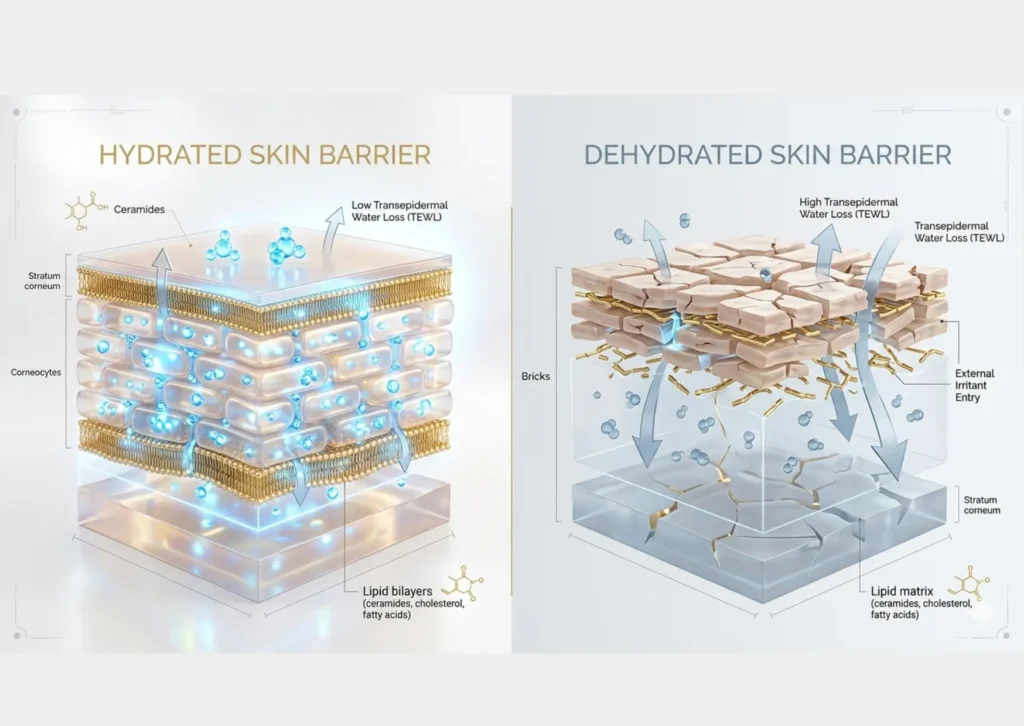
Fluctuations in temperature and humidity may impact the stratum corneum, which plays a central role in maintaining the skin barrier. Increased exposure to airborne allergens such as pollen may contribute to inflammatory responses in the skin. In addition, ultraviolet (UV) exposure may influence pigmentation pathways and oxidative stress.
These combined factors can increase transepidermal water loss (TEWL), which is associated with dryness, reduced barrier integrity, and increased skin sensitivity.
⸻
Hydration vs. Moisture: Understanding Skin Physiology
Hydration and moisture are distinct yet interconnected aspects of skin health.
Hydration refers to the water content within the skin, while moisture refers to the lipid barrier that helps retain that water. When the skin barrier is compromised, water loss increases, and the skin may appear dull, tight, and more reactive to environmental factors.
Supporting both hydration and barrier function is essential for maintaining resilient, healthy-looking skin.
⸻
Spring Allergies & Skin: The Inflammatory Connection
Seasonal allergies may influence the skin through immune-mediated pathways.
Some individuals experience itching, redness, increased sensitivity, or flare-ups of acne or rosacea patterns during this time of year. These changes are often associated with inflammatory signaling and histamine activity, which can affect both the skin barrier and microcirculation.
Understanding this connection allows for a more comprehensive approach to skin health during seasonal transitions.
⸻
A Clinical Approach to Skin Health
At Natural Beauty Clinic, skin concerns are evaluated within a broader clinical context.
Rather than focusing on isolated symptoms, attention is given to factors such as hydration status, inflammatory patterns, skin barrier integrity, and overall physiological balance.
This approach allows for personalized strategies designed to support not only how the skin looks—but how it functions.
⸻
Treatments to Support Skin During Seasonal Transitions
Based on individual assessment, certain treatments may be incorporated as part of a personalized plan.
Skin Boosters
Skin boosters are used to support deep dermal hydration and improve overall skin quality, particularly in individuals experiencing dryness or reduced skin elasticity.
Microneedling with Exosomes
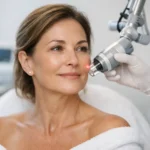
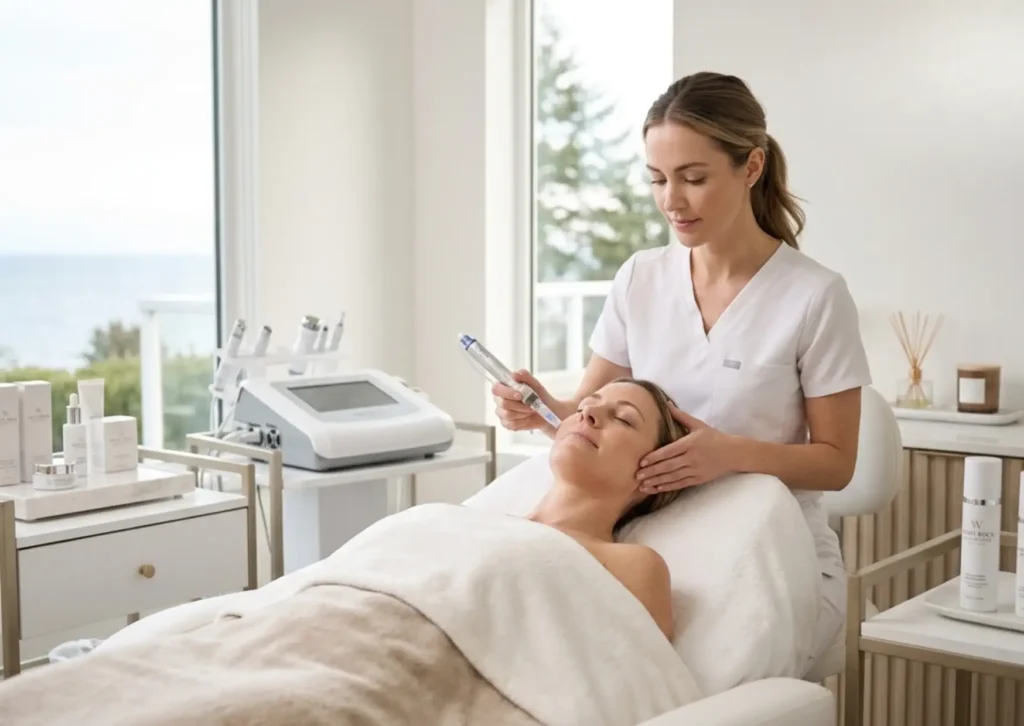
Microneedling combined with exosomes is commonly used to support skin renewal and improve the appearance of texture and tone.
Intravenous (IV) Nutrient Therapy
Intravenous nutrient therapy is used within integrative care to support hydration, nutrient status, and overall physiological function.
At Natural Beauty Clinic, formulations are personalized and may include blends designed to support:
• Skin hydration and radiance
• Energy and metabolic balance
• Immune system function
• Stress and recovery support
These protocols are selected based on individual clinical considerations.

Ozone Therapy
Ozone therapy is sometimes incorporated into integrative treatment approaches aimed at supporting physiological balance and optimizing the body’s response to internal and external stressors.
Its use is individualized and discussed as part of a comprehensive care plan.
⸻
At-Home Skin Support
Daily skincare plays an essential role in maintaining skin balance during seasonal changes.
Hydrating serums containing humectants such as hyaluronic acid may help support water retention. Barrier-supporting moisturizers help protect against environmental stressors, while broad-spectrum sunscreen is essential with increased sun exposure.
Antioxidant support may also be considered to help reduce the impact of environmental stress on the skin.
⸻
When to Consider a Professional Assessment
If your skin becomes more reactive, dry, or difficult to manage during this time of year, a professional assessment may help identify contributing factors.
A personalized consultation may include evaluation of hydration status, skin barrier function, and potential internal or environmental influences, allowing for targeted recommendations.
⸻
Skin health is influenced by both internal and external factors, particularly during seasonal transitions.
With a personalized and clinically guided approach, it is possible to support hydration, reinforce the skin barrier, and maintain a healthy, radiant appearance throughout the spring season.
You might want to check out.. Skin Boosters / Morpheus8 / IV Therapy /Ozone Therapy
⸻
Book a Consultation
If you are noticing changes in your skin this spring and are looking for a more personalized, medically guided approach, you are welcome to book a consultation at Natural Beauty Clinic.

Frequently Asked Questions (FAQ)
Seasonal changes in temperature, humidity, and environmental allergens may affect the skin barrier and increase transepidermal water loss. This can result in dryness, sensitivity, and a more reactive skin profile.
Yes. Seasonal allergies may influence the skin through inflammatory pathways. Some individuals experience redness, itching, or increased sensitivity during allergy season.
Dehydrated skin lacks water, while dry skin lacks oil. Both can occur simultaneously, especially when the skin barrier is compromised.
Skin hydration may be supported through a combination of topical skincare, adequate fluid intake, and, in some cases, professional treatments such as skin boosters or intravenous nutrient therapy.
Intravenous nutrient therapy is used within integrative care to support hydration and nutrient status. Specific formulations may be considered based on individual needs and clinical assessment.
If your skin becomes more sensitive, dry, or difficult to manage, or if your current routine is no longer effective, a professional consultation may help identify contributing factors and guide a personalized approach.
Depending on individual needs, treatments such as skin boosters, microneedling, and personalized IV therapy may be considered to support hydration and skin quality during seasonal transitions.