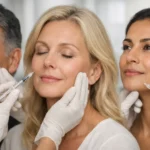
PRP facial rejuvenation is often chosen by patients who want to improve skin quality without changing the character of their face. Rather than adding volume or creating a dramatic alteration, this regenerative approach uses a concentrated component of your own blood to support the skin’s natural repair processes. For people noticing fine lines, crepey texture, early laxity, acne scarring, or a tired-looking complexion, it can be a thoughtful part of a personalized healthy-aging plan.
At Natural Beauty Clinic, we approach PRP with the same clinical care we bring to every aesthetic treatment: by looking beyond a single concern. Skin changes can be influenced by sun exposure, inflammation, hormones, nutrition, sleep, stress, skincare, and the natural aging process. PRP may be well suited to some patients, while others may benefit more from laser resurfacing, RF microneedling, skin boosters, or a combination plan.
What Is PRP Facial Rejuvenation?
Platelet-rich plasma, or PRP, is prepared from a small sample of your own blood. After the sample is processed in a centrifuge, the platelet-rich portion of plasma is separated for clinical use. Platelets contain signaling proteins and growth factors that play a role in the body’s normal healing response.
In facial aesthetics, PRP is commonly applied during microneedling or placed through precise injections in selected areas. The goal is not to replace lost facial volume in the way a dermal filler may. Instead, PRP is used to support collagen and elastin activity and improve the overall environment of the skin over time.
Because the material is autologous, meaning it comes from your own blood, PRP appeals to patients who prefer a regenerative treatment approach. That said, “natural” does not mean appropriate for everyone. A careful consultation, medical history, skin assessment, and informed consent remain essential.
What Concerns Can PRP Help Address?
PRP is best understood as a skin-quality treatment rather than a one-size-fits-all solution. It may help support a smoother, more resilient-looking complexion and can be considered for early signs of aging, uneven texture, fine lines, dullness, and certain types of acne scarring.
The under-eye area is another common area of interest. Some patients develop thin, crepey skin or a shadowed appearance beneath the eyes that is not primarily caused by volume loss. In appropriate cases, carefully placed PRP may support skin quality in this delicate region. However, under-eye concerns are complex. Pigmentation, anatomy, puffiness, fat pads, vascular visibility, allergies, and sleep patterns can all contribute, so a personalized assessment is particularly valuable.
Patients with sun-related texture changes may also consider PRP as part of a broader plan. For more significant wrinkles, laxity, or scarring, combining PRP with treatments such as Dermapen DP4 microneedling, Morpheus8 RF microneedling, or HELIX CO2 laser resurfacing may be discussed when clinically appropriate. The right choice depends on your skin type, downtime preferences, goals, and tolerance for treatment intensity.
How a PRP Treatment Appointment Typically Works
A PRP appointment begins with a focused review of your goals, relevant health history, current medications and supplements, prior aesthetic treatments, and skincare routine. We also evaluate the skin itself, including texture, hydration, pigmentation, elasticity, and areas where facial aging is most noticeable.
A small blood draw is then performed and processed to prepare the PRP. Depending on the treatment plan, a topical numbing agent may be used before microneedling or injections. With microneedling, PRP may be applied to the skin during treatment to support the post-treatment healing response. With injectable PRP, it is placed in carefully selected areas using an approach suited to the individual patient.
The length of the visit varies according to the treatment area and technique. We provide individualized aftercare guidance, including recommendations about skincare, exercise, makeup, sun exposure, and when to resume active ingredients. Following these instructions helps protect the skin while it recovers.
When Will Results Appear?
PRP does not typically produce an instant, filter-like transformation. Its appeal is that changes tend to emerge gradually as the skin moves through its normal regenerative cycle. Some patients notice early radiance or improved hydration after treatment, while texture and firmness changes may become more apparent over the following weeks and months.
Results vary based on age, genetics, sun exposure, baseline skin condition, lifestyle, treatment technique, and whether PRP is used alone or in combination with another modality. A series of treatments may be recommended for concerns such as acne scars or more established texture changes, while maintenance may be considered for ongoing skin-quality support.
This gradual timeline can be a benefit for patients who value discreet, natural-looking improvement. It also requires realistic expectations. PRP may soften the appearance of certain concerns, but it cannot reproduce the lifting effect of surgery, fully replace lost structural volume, or erase every line and scar.
Safety, Recovery, and Suitability
Since PRP is derived from your own blood, the risk of an allergic reaction to the plasma itself is generally low. Still, every injectable or microneedling procedure carries potential risks. These may include temporary redness, swelling, tenderness, bruising, pinpoint bleeding, itching, or sensitivity. Injection-based treatments also carry uncommon but important risks that should be reviewed during consent.
Downtime depends on the technique used. After PRP microneedling, many patients experience redness similar to a sunburn for a short period, with possible dryness or light flaking as the skin recovers. Injectable PRP may cause swelling or bruising, particularly in delicate areas such as around the eyes. Planning treatment before an important event requires consideration of your individual tendency to bruise and the expected recovery period.
PRP may not be suitable for everyone. Certain blood disorders, active infections, significant skin inflammation in the treatment area, pregnancy or breastfeeding considerations, and medications or health conditions that affect blood or healing may influence eligibility. Patients should also disclose supplements, anticoagulants, anti-inflammatory medications, and recent procedures. We review these factors carefully rather than assuming a treatment is right simply because it uses your own plasma.
PRP, PRF, and Other Regenerative Options
PRP and platelet-rich fibrin, or PRF, are both autologous regenerative preparations, but they are processed differently and have different handling characteristics. PRF contains a fibrin matrix and may be considered in selected treatment plans, particularly where a provider is seeking a different consistency or release profile. Neither option is universally superior. The best choice depends on the treatment area, concern, clinical assessment, and the practitioner’s protocol.
It is also helpful to distinguish regenerative treatments from volumizing treatments. Dermal fillers can restore or refine facial contours when volume loss is the central issue. Sculptra may be considered for patients seeking gradual collagen stimulation in areas of diffuse volume change. Skin boosters can support hydration and skin quality, while laser and energy-based devices can address more significant texture, pigment, or laxity concerns. A sophisticated plan may use one modality or a carefully staged combination, not because more treatment is always better, but because different concerns respond to different tools.
Supporting Results From the Inside Out
Facial skin does not exist in isolation from overall health. Persistent inflammation, nutritional insufficiencies, sleep disruption, hormonal changes, smoking, high ultraviolet exposure, and an inconsistent home regimen can all affect how skin looks and behaves. While these factors do not determine every outcome, addressing them can support a more comprehensive approach to healthy aging.
For some patients, this may mean simplifying an irritating skincare routine, committing to daily broad-spectrum sun protection, or addressing acne and rosacea before pursuing a more intensive procedure. For others, an integrative assessment of wellness concerns may be relevant to their overall treatment plan. The goal is not perfection. It is to make thoughtful choices that support skin health over time.
Is PRP Right for Your Skin?
PRP can be an appealing option for adults who want gradual, natural-looking improvement in skin quality and are comfortable with a regenerative process that develops over time. It may be especially appropriate for patients who want to address texture and early aging changes without relying solely on volume-enhancing treatments.
The most useful next step is a personalized consultation. For patients from White Rock, South Surrey, Greater Vancouver, and nearby Washington communities, a physician-led assessment can clarify whether PRP facial rejuvenation fits your skin, goals, schedule, and comfort with downtime. A well-designed plan should leave you looking like yourself – rested, refreshed, and supported by care that respects both your appearance and your long-term wellness.