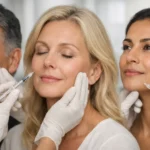
A furrow between the brows can make you look concerned when you feel perfectly at ease. Fine lines around the eyes may remain visible long after a joyful moment has passed. Botox offers a refined way to soften these expression lines while preserving what makes your face distinctly yours: its movement, personality, and natural warmth.
For many people in White Rock, South Surrey, and Metro Vancouver, the goal is not to look different. It is to look rested, approachable, and well cared for. Thoughtful treatment begins with that distinction. The most beautiful Botox results are rarely obvious. They simply allow your features to appear smoother and more refreshed, without sacrificing authentic expression.
Botox Is About Movement, Not Erasing It
Botox is the brand name for a prescription neuromodulator made from botulinum toxin type A. When precisely injected into selected facial muscles, it temporarily reduces the muscle activity responsible for certain dynamic wrinkles. These are the lines formed by repeated expressions, such as frowning, squinting, raising the eyebrows, or smiling.
The treatment does not fill a crease or change facial volume. Its role is to soften the repetitive pull beneath the skin, which can make lines less noticeable at rest over time. This is why Botox and dermal filler are not interchangeable. One relaxes targeted muscle movement; the other can restore or refine volume and structural support. In many personalized aesthetic plans, they may complement one another, but they address different concerns.
The right amount matters as much as the right placement. A conservative, anatomy-led approach can soften a strong frown or crow’s feet while allowing enough movement for a natural smile, animated conversation, and familiar facial expression. More product is not automatically better. The most appropriate dose depends on muscle strength, facial proportions, skin quality, goals, and your preference for either subtle softening or a more polished result.
What Botox Can Treat Well
Botox is commonly used for forehead lines, the vertical lines between the brows often called the 11s, and crow’s feet at the outer corners of the eyes. It may also be considered for concerns such as a gummy smile, chin dimpling, neck bands, a downward-turning mouth, excessive underarm sweating, or jaw tension related to enlarged masseter muscles. Each area requires a different level of expertise, assessment, and dosing strategy.
Dynamic Lines Versus Lines at Rest
A useful way to set expectations is to notice whether a line appears only when you make an expression or remains visible when your face is relaxed. Botox tends to be especially effective for lines driven by movement. If a crease is deeply etched into the skin at rest, relaxing the underlying muscle may still improve its appearance, but it may not erase the line completely.
In that situation, skin-focused treatments can be valuable additions. Microneedling, RF microneedling, PRP or PRF, skin boosters, biostimulators, and laser resurfacing can support collagen remodeling, texture, and overall luminosity. The best pathway depends on the concern. A frown line may need neuromodulator treatment; crepey skin, sun damage, volume loss, and dehydration each call for a different conversation.
Preventive Treatment Has a Personal Meaning
Many patients begin Botox when expression lines first start lingering after their face returns to rest. Others wait until lines are more established. Neither choice is universally right. Starting earlier may help reduce repetitive folding in an area prone to strong movement, while starting later can still create meaningful softening and a more relaxed appearance.
What matters is treating your actual anatomy and goals rather than following a particular age or trend. A patient in their late 20s may want a light touch to maintain movement. Someone in perimenopause or menopause may be more concerned with skin thinning, dryness, and changes in collagen alongside expression lines. A bespoke plan respects those differences.
What a Personalized Botox Appointment Should Include
A quality consultation is more than identifying a line and selecting an injection point. Your practitioner should assess your face both at rest and in motion. Raising your eyebrows, frowning, smiling, and squinting reveal how muscles work together. This helps guide placement in a way that supports facial balance rather than creating a one-size-fits-all result.
Your medical history also matters. Share any medications, supplements, prior aesthetic treatments, allergies, neuromuscular conditions, pregnancy or breastfeeding status, and previous experiences with Botox or Dysport. Be clear about the look you want. Words such as “natural,” “lifted,” or “refreshed” can mean different things to different people, so visual assessment and a candid discussion are essential.
At Natural Beauty Clinic, aesthetic planning can also consider the broader factors influencing skin quality and confidence. Hormonal shifts, inflammation, sleep, nutrient status, stress, and sun exposure do not make Botox less valuable, but they can shape what you see in the mirror. Addressing both facial movement and the health of the skin creates a more complete approach to rejuvenation.
What to Expect After Treatment
Botox appointments are typically brief, with a series of small injections placed into carefully selected muscles. Most patients describe the sensation as quick pinches. Mild redness, tiny bumps at injection sites, tenderness, or light bruising can occur and usually resolve quickly.
For the rest of the day, follow the specific aftercare instructions provided by your practitioner. You may be advised to avoid rubbing or massaging treated areas, strenuous exercise, heat exposure, and certain facial treatments for a defined period. Planning ahead is helpful if you have an important event, photographs, or travel coming up.
Results do not appear immediately. Many people notice early changes within several days, with the effect continuing to develop over roughly two weeks. A follow-up assessment may be appropriate, particularly for a first treatment or a new area. Results commonly last around three to four months, although this varies based on the area treated, dose, muscle activity, and individual response.
Regular treatments may help maintain a consistent look, but there is no obligation to continue. If you decide not to repeat Botox, muscle movement gradually returns and your face resumes its usual pattern. It does not cause the skin to suddenly age faster.
Safety, Skill, and Realistic Expectations
Botox is a medical treatment, not a casual beauty service. It should be prescribed and performed by an appropriately qualified medical professional who understands facial anatomy, contraindications, dosing, and complication management. Choosing a qualified injector is especially important around the forehead and eyes, where placement affects brow position and expression.
Possible side effects can include bruising, swelling, headache, temporary asymmetry, or an unwanted change in brow or eyelid position. More serious reactions are uncommon but require prompt medical attention. Your provider should explain the risks that apply to you, answer questions without pressure, and provide clear guidance on when to contact the clinic.
Botox may not be suitable for everyone. Pregnancy, breastfeeding, certain neuromuscular disorders, active infection at the treatment site, and a history of specific reactions can affect eligibility. A consultation is the place for an individualized decision, not a sales pitch.
It is also worth recognizing what Botox cannot do. It will not replace lost facial volume, tighten significant skin laxity, erase every static wrinkle, or resolve concerns rooted in pigmentation or texture. When expectations are realistic, it can be an exceptionally elegant treatment. When it is asked to solve every concern alone, the result may feel disappointing or overdone.
A Refreshed Look Should Still Feel Like You
The strongest Botox outcomes honor the face you already have. They soften the tension that does not reflect how you feel, while keeping your expressions recognizable and your features in balance. Whether you are new to aesthetic medicine or refining an established regimen, a careful consultation can help you choose a treatment plan that feels considered, natural, and entirely your own.