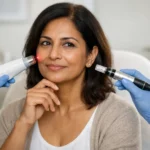
A resurfacing treatment can be appealing when you want smoother, brighter-looking skin but cannot step away from work, family, or social commitments for weeks. So, does CoolPeel require downtime? Usually, it involves less recovery than traditional fully ablative CO2 laser resurfacing, but it is not truly a no-recovery treatment. Most people should plan for visible redness, temporary sensitivity, and several days of skin texture changes as the skin heals.
The amount of downtime depends on the treatment settings, the areas treated, your skin type and condition, and how your skin responds. A thoughtful consultation matters because the best treatment is not simply the one with the shortest recovery. It is the one that appropriately balances your goals, safety, skin quality, and available healing time.
What CoolPeel Is Designed to Do
CoolPeel is a fractional CO2 laser treatment. CO2 lasers use energy that is absorbed by water in the skin, creating controlled micro-injuries that prompt the skin’s repair process. Depending on the treatment plan, this process may help improve the appearance of fine lines, uneven texture, enlarged-looking pores, sun-related skin changes, and some acne scarring.
Unlike more aggressive traditional CO2 resurfacing, CoolPeel protocols are designed to deliver energy in brief, controlled pulses while limiting excess heat in surrounding tissue. That distinction is why it is often described as a lower-downtime resurfacing option. Lower downtime, however, does not mean no visible healing or no need for careful aftercare.
For patients considering laser rejuvenation, it is helpful to separate two ideas: physical recovery and social downtime. You may feel well enough to continue many regular activities quickly, yet still prefer not to attend an important event while your skin is red, dry, or lightly peeling.
Does CoolPeel Require Downtime for Work or Events?
Many patients can return to desk-based work and routine indoor activities within a day or two, particularly after a lighter treatment. Immediately afterward, skin commonly looks pink to red and may feel warm, tight, or similar to a mild sunburn. This initial redness often settles over the first few days, though the exact timeline varies.
A bronzed, dry, or rough texture may follow. Some people describe this phase as feeling like fine sandpaper. Tiny darkened spots can also become more noticeable before they shed. Depending on the treatment intensity and individual healing, this texture change may last roughly three to seven days.
Makeup may help once the skin barrier has recovered enough and your treating clinician has cleared it, but it should not be used to rush the process. Applying makeup, active skincare products, or exfoliants too soon can irritate healing skin. For a wedding, photoshoot, business presentation, or other high-visibility event, allowing at least one to two weeks of buffer time is generally more comfortable than scheduling treatment at the last minute.
Why Recovery Time Can Vary
Laser settings have a meaningful effect on both results and recovery. A lighter, more superficial treatment may create a shorter period of redness and roughness, while a more intensive treatment or a series designed around texture and scarring may require more visible healing time. Facial areas can also respond differently from the neck, chest, or hands.
Your baseline skin health matters as well. Active inflammation, a compromised skin barrier, recent tanning, sun exposure, certain medications, a history of cold sores, and pigment concerns can all influence whether treatment is appropriate and how it should be planned. Patients with deeper skin tones or a history of post-inflammatory hyperpigmentation need especially individualized assessment, since any energy-based treatment can carry a risk of temporary or more persistent pigment changes.
This is also where an integrative approach can be valuable. Hydration, nutritional status, sleep, smoking status, inflammation, and the consistency of your home skincare routine can influence skin resilience and healing. These factors do not replace sound laser technique or medical screening, but they are part of a complete plan for healthy aging and skin quality.
A Typical CoolPeel Healing Timeline
Although no timeline can predict an individual outcome, the first 24 hours often involve warmth, redness, and mild swelling. Gentle cleansing, a bland moisturizer or healing product recommended by your clinician, and rigorous sun avoidance are usually central to this stage.
Over days two through four, redness may remain visible and skin can begin to feel dry, tight, or rough. Some patients experience a subtle darkening of superficial pigment before it flakes away. It is best to let this happen naturally rather than picking, scrubbing, or using exfoliating tools.
By days five through seven, many people find that visible flaking and roughness have improved, though a healthy pink tone may linger longer. Skin can appear smoother and more refreshed as the surface recovers. Collagen remodeling is gradual, so changes in texture and firmness may continue to develop over the following weeks and months.
More substantial redness, swelling, blistering, crusting, or discomfort should be assessed promptly by the treating provider. While complications are not expected, risks such as infection, acne-like breakouts, prolonged redness, pigment change, or scarring are part of informed consent for laser treatments.
Planning Your Recovery Well
The most comfortable recovery begins before the appointment. Avoid scheduling laser resurfacing immediately before a beach vacation, ski trip, outdoor sports event, or major celebration. Freshly treated skin is more vulnerable to sun exposure, and diligent broad-spectrum sunscreen use is essential after treatment.
Your clinician may also ask you to pause certain active products beforehand, such as retinoids, exfoliating acids, or other potentially irritating ingredients. Follow the instructions provided for your specific treatment rather than relying on a generic online routine. If you have a history of cold sores around the mouth, disclose this during consultation, as preventive planning may be appropriate.
After treatment, keep your routine intentionally simple. Use only the cleanser, moisturizer, sunscreen, and recovery products approved for your skin. Avoid heat exposure from saunas, hot yoga, and intense exercise for the period advised by your provider, since heat and sweating can worsen redness and irritation. Do not use scrubs, cleansing brushes, at-home peels, or potentially irritating active ingredients until your skin has fully recovered.
CoolPeel Is Not the Only Resurfacing Option
Downtime should be considered alongside the concern you are treating. For mild dullness and uneven tone, a lower-intensity laser approach or IPL photorejuvenation may be appropriate for some patients. For acne scarring, more pronounced texture concerns, or deeper lines, a clinician may discuss options such as fractional CO2 resurfacing, RF microneedling, or a staged combination plan.
Each modality has different strengths, limitations, and recovery expectations. A treatment with minimal visible downtime may be appealing, but it may not be the most suitable choice for every goal. Conversely, a more intensive approach is not automatically better if it does not align with your skin type, lifestyle, and willingness to follow aftercare closely.
At Natural Beauty Clinic, we approach laser planning with the understanding that skin quality is influenced by more than one appointment. We consider your skin assessment, prior treatments, lifestyle, medical history, and broader wellness factors to create a plan that supports natural-looking, gradual improvement.
When to Schedule a Consultation
A consultation is particularly worthwhile if you have melasma, rosacea, active acne, a history of hyperpigmentation or scarring, frequent cold sores, recent sun exposure, or are uncertain how much recovery you can realistically accommodate. It is also the right time to discuss whether a single treatment or a series may better suit your goals.
For patients traveling from Bellingham, Blaine, or elsewhere in Whatcom County, it may be wise to avoid planning treatment immediately before your return journey if you are concerned about visible redness or need time for aftercare instructions. White Rock’s location near the Peace Arch border can make access convenient, but your recovery window should still guide your schedule.
Beautiful results tend to come from good timing as much as good technology. Give your skin the space to heal, protect it carefully from the sun, and choose a treatment plan that fits your life as thoughtfully as it fits your goals.