Sun spots that linger after summer, persistent facial redness, and a complexion that looks less even than it feels are common reasons patients begin considering light-based treatments. A Lumecca IPL treatment is designed to address selected visible pigment and vascular concerns with intense pulsed light, helping support a clearer, more radiant-looking complexion without changing the character of your face.
At Natural Beauty Clinic, we approach IPL as part of a thoughtful skin-quality plan, not a one-size-fits-all appointment. The most refined results come from matching the technology, settings, treatment schedule, skincare, and, when appropriate, complementary procedures to your skin tone, concerns, medical history, and long-term goals.
What Is a Lumecca IPL Treatment?
Lumecca is a form of intense pulsed light, often called IPL. Although IPL is sometimes casually described as a laser treatment, it works differently from a traditional laser. Rather than delivering one concentrated wavelength of light, IPL delivers a carefully filtered range of wavelengths.
These wavelengths are absorbed by chromophores, or visible targets in the skin, including melanin in areas of excess pigment and hemoglobin in superficial blood vessels. This controlled light energy may help reduce the appearance of sun-related discoloration, freckles, age spots, diffuse redness, and small visible vessels in appropriate candidates.
The treatment is typically performed on the face, neck, chest, hands, or other areas that receive regular sun exposure. It is not intended to replace medical assessment of a changing mole, unexplained lesion, or skin condition. Any concern that appears new, irregular, bleeding, or persistent should be assessed by an appropriate medical professional before cosmetic treatment.
What Concerns Can Lumecca IPL Address?
IPL is often chosen for patients whose main goal is overall skin clarity rather than a dramatic change. It may be particularly helpful when several concerns exist at once, such as brown spots alongside background redness.
A Lumecca IPL treatment may help improve the appearance of:
- Sun damage and uneven pigmentation
- Freckles and selected age-related brown spots
- Diffuse facial redness and flushing
- Small superficial facial vessels
- An uneven or dull-looking complexion
Results depend on the cause of the concern. For example, redness associated with visible superficial vessels may respond differently than redness driven by irritation, inflammatory skin conditions, or a compromised skin barrier. Similarly, not all pigmentation is the same. Some pigment concerns, including melasma, require especially careful evaluation because heat and light exposure can occasionally worsen discoloration in susceptible skin.
This is why consultation matters. We assess what is actually contributing to the concern before recommending a treatment pathway. In some cases, IPL is an excellent choice. In others, a skin-conditioning plan, medical-grade skincare, microneedling, fractional resurfacing, or a combination approach may be more appropriate.
What to Expect During Treatment
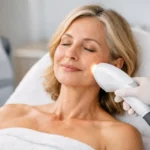
Your appointment begins with skin preparation and protective eyewear. A cooling gel may be applied, depending on the treatment area and protocol. The handpiece is then placed against the skin to deliver measured pulses of light.
Most patients describe the sensation as brief warmth or the quick snap of an elastic band. Comfort varies by treatment area, skin sensitivity, and the settings needed for the concern being addressed. We prioritize conservative, clinically appropriate treatment parameters and adjust the plan according to your response and comfort.
A full face session is often relatively efficient, though appointment length varies if the neck, chest, hands, or additional areas are included. After treatment, mild warmth and pinkness are common and may resemble a light sunburn for a short period.
The Days After IPL: What Changes Are Normal?
One of the most recognizable parts of IPL recovery is the temporary darkening of treated pigment. Brown spots may look darker or more distinct before they gradually flake away or fade over the following days. This response can be encouraging, but it should not be picked, scrubbed, or exfoliated prematurely.
Redness may settle quickly for some patients and take longer for others. Mild swelling, particularly around the eyes, can occur. Keeping the skin calm, hydrated, and protected from sun exposure supports a more comfortable recovery.
Aftercare generally focuses on gentle skincare and diligent broad-spectrum sunscreen use. We may advise pausing retinoids, exfoliating acids, abrasive scrubs, and other potentially irritating products for a period determined by your skin and treatment plan. Avoiding excessive heat, including hot baths, saunas, and intense exercise immediately after treatment, may also be recommended.
If you experience unexpected blistering, increasing pain, significant swelling, or a reaction that concerns you, contact the treating clinic promptly for guidance.
How Many Sessions Are Needed?
Some patients notice improvement after one Lumecca IPL treatment, particularly when treating superficial pigment. However, a single session is not always the right expectation or the complete plan. Multiple sessions may be recommended for diffuse redness, more extensive sun damage, or a gradual approach to skin rejuvenation.
The ideal interval depends on the treatment area, skin response, and primary concern. Skin also continues to change with UV exposure, hormonal shifts, inflammation, and time. Maintenance treatments may be considered for patients who wish to preserve improvements, especially after periods of increased sun exposure.
Rather than treating IPL as a quick fix, we encourage a long-term perspective. Consistent sun protection, appropriate home care, and treatment timing all influence how well improvements are maintained.
Is Lumecca IPL Right for Every Skin Tone?
No light-based treatment is suitable for every person or every concern. IPL relies on contrast between the intended target and surrounding skin, which means treatment suitability must be carefully assessed in deeper skin tones, recently tanned skin, and skin prone to post-inflammatory hyperpigmentation.
Your provider should also review active skin infections, open wounds, recent sun exposure, a history of abnormal scarring, pregnancy status, photosensitizing medications, isotretinoin history, and products or treatments that may affect skin sensitivity. This is not a barrier to aesthetic care. It is the foundation of safer, more individualized care.
For patients with melasma or complex pigmentation, treatment planning may include a cautious approach and a discussion of alternatives. We do not assume that more energy or more sessions automatically create better results. Healthy skin function and a measured strategy are often more valuable than aggressive treatment.
Integrating IPL Into a Healthy-Aging Plan
IPL can be a valuable option when visible sun damage and redness are the primary concerns, but skin quality is influenced by more than light exposure alone. Inflammation, sleep, nutrition, hormonal changes, stress, and daily skincare habits can all affect how skin looks and behaves.
At our physician-led integrative clinic in White Rock, we consider the broader picture when it adds value to your aesthetic plan. A patient focused on pigment may also benefit from barrier-supportive skincare and sun-protection guidance. Someone concerned about texture, laxity, or acne scarring may be better served by combining or sequencing IPL with treatments such as Morpheus8 RF microneedling, Dermapen DP4, or HELIX CO2 laser resurfacing, when clinically appropriate.
The goal is not to perform every available treatment. It is to select the few that make sense for your skin, your schedule, and the natural-looking outcome you want to achieve.
Preparing for Your Consultation
Bring a clear picture of what you would like to improve, along with the skincare products, medications, and supplements you use regularly. It is also helpful to share any history of pigment changes, cold sores, sensitivity reactions, previous laser or IPL treatments, and recent tanning or sun exposure.
During consultation, we can discuss whether your concern is likely to respond to IPL, what recovery may look like for your skin, and whether a single modality or a staged plan is more suitable. Patients visiting from South Surrey, Vancouver, the Fraser Valley, or nearby Washington communities can expect the same careful assessment and transparent recommendations.
Radiant skin rarely comes from chasing a single treatment. It develops through precise care, realistic expectations, and a plan that respects both the biology of your skin and the way you want to feel in it.